

Sport
Elite Tiki-Taka Players and Their Most Outstanding Representatives
The Elite Tiki-Taka Players are not only known for their excellent technical skills but must also be able to read space, play one-touch passes, and constantly create passing angles for their teammates. Barcelona’s dominance in Europe turned Xavi, Iniesta, Busquets, and Messi into the most prominent icons of this system. On Vaoroi TV, matches featuring bóng đá trực tuyến hôm nay are still often compared with that standard of ball control, while classic hightlight bóng đá clips show just how precisely tiki-taka once operated.
Xavi Hernandez: The Brain Behind Tiki-Taka
Among the Elite Tiki-Taka Players, Xavi Hernandez is arguably the most representative name thanks to his ability to control the tempo, distribute passes, and direct the entire attacking structure.
The Ability to Scan the Field Before Receiving the Ball
Xavi’s most distinctive quality was his habit of scanning his surroundings before the ball reached his feet. Thanks to this habit, the Spanish midfielder almost always knew where the next pocket of space was and which teammate was in a favorable position. When receiving the ball, Xavi rarely needed too many touches, helping Barcelona maintain its passing rhythm and reducing the opposition’s chances of pressing successfully.
Controlling the Tempo with Short Passes
Xavi did not need to attempt many risky plays to make an impact. A series of highly accurate short passes allowed him to draw opponents out of position, change the direction of attacks, and move the ball into advantageous areas. Footage featured on Vao Roi TV shows that Xavi’s value lay in his ability to turn simple passing into a tool for controlling the entire match, forcing opponents to keep moving while making it difficult for them to regain possession.
Maintaining the Structure of the Entire Team
Tiki-taka is not simply about passing continuously; it also requires players to maintain appropriate distances from one another. Xavi played a central role in this structure, regularly positioning himself to connect the defense with the attack. When a teammate was pressed, he moved to provide another passing option. When the team needed to slow the game down, Xavi retained possession and brought the match back into balance.
Andres Iniesta: Creating a Difference in Tight Spaces
If Xavi controlled the tempo, Iniesta was the player who created unpredictability. Among the Elite Tiki-Taka Players, he stood out for his ability to escape pressing and handle the ball in areas crowded with opposing players.
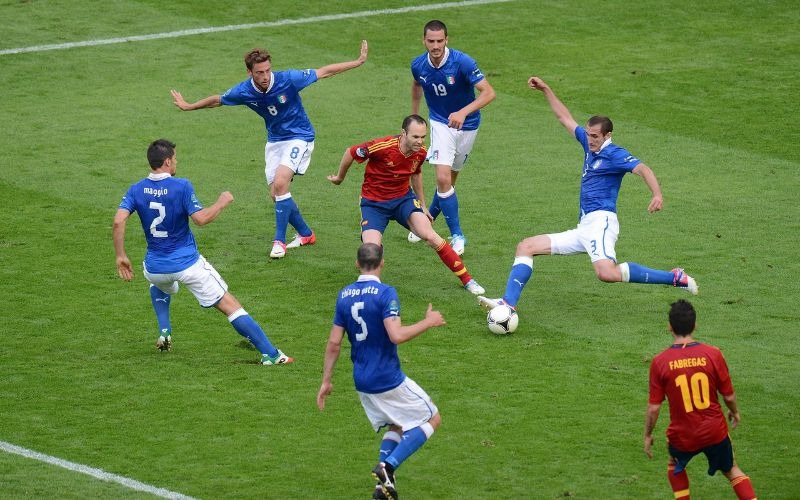 Iniesta made the difference with his technique and ability to escape pressing.
Navigating Through Crowds of Opponents
Iniesta had a low center of gravity, excellent balance, and exceptional close control. These qualities allowed him to escape tight situations with just one or two small movements. Instead of passing backward when under pressure, Iniesta often turned or dribbled past the first pressing line, disrupting the opponent’s defensive structure and opening up space for teammates further forward.
Connecting the Midfield with the Attack
One of Iniesta’s most important responsibilities was moving the ball from the middle of the pitch into areas near the penalty box. He could combine with short passes, play line-breaking balls, or carry the ball forward himself. Vaoroi Link, in its retrospectives of Barcelona during their peak years, often highlights how Iniesta could have a major influence without recording numerous direct assists, thanks to his ability to help the team advance into the opposition’s half in an organized manner.
Composure in Major Matches
Iniesta often stood out in high-pressure matches because of his ability to retain possession and make decisions quickly. From the Champions League to the World Cup, he repeatedly demonstrated composure at decisive moments. This quality was particularly suited to tiki-taka because a possession-based system can only be truly effective when players remain calm under pressure and consistently choose the right option.
Sergio Busquets: The Balancing Point Behind the Play
One name that cannot be left out when discussing the Elite Tiki-Taka Players is Sergio Busquets. He was not known for flashy individual moves, but he played an extremely important tactical role in Barcelona’s system.
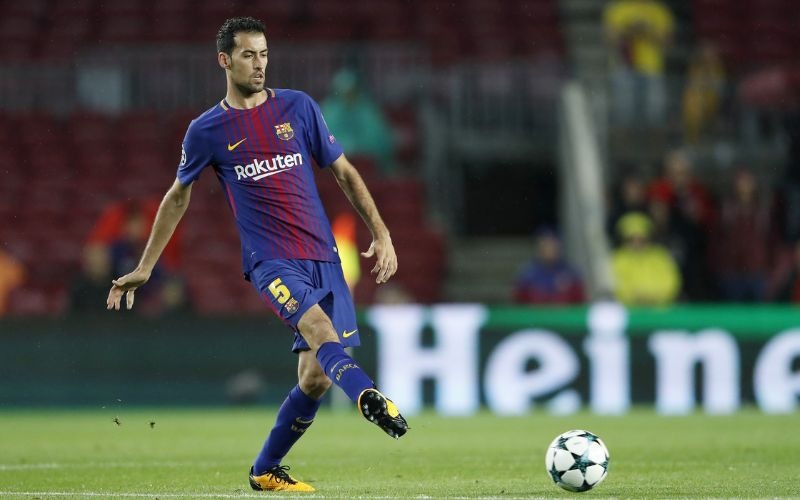 Busquets helped tiki-taka maintain the balance between possession and defense.
Receiving the Ball in High-Pressure Areas
Busquets often received the ball just in front of the center-backs, where opponents typically applied their strongest pressing. Rather than relying on speed, he used his awareness and body positioning to escape pressure. A single turn or one-touch pass could help Barcelona move the ball beyond the first pressing line, allowing Xavi and Iniesta to receive it in more favorable positions.
Simple but Effective Passing
Busquets rarely attempted overly complicated passes when a simple option could preserve the team’s structure. This approach helped tiki-taka operate consistently over a long period. Through older matches revisited by VaoroiTV, viewers can easily notice how Busquets continually positioned himself in suitable areas to receive the ball, pass quickly, and immediately move into the next pocket of space.
Winning Back Possession Immediately After Losing the Ball
Tiki-taka also depended heavily on the ability to regain possession quickly. Busquets was particularly good at reading the opponent’s intended direction of play and intercepting passes in midfield. Recovering the ball early helped Barcelona avoid dropping deep into a defensive shape and allowed them to reestablish control almost immediately, making him a vital link between attack and defense.
Lionel Messi: Taking Tiki-Taka to Another Level
Unlike the three midfielders behind him, Lionel Messi was the player who turned possession into goals. Among the Elite Tiki-Taka Players, he made the greatest difference in the final third.
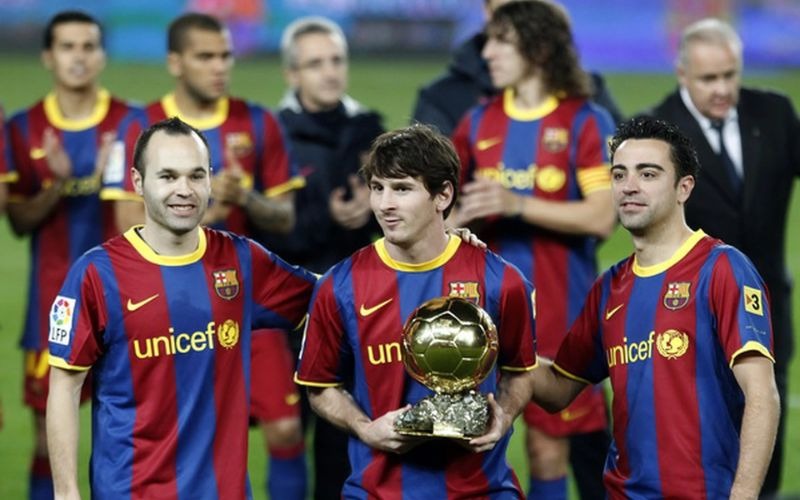 Messi turned tiki-taka passing sequences into chances and goals.
The False Nine Role That Created Space
When deployed as a false nine, Messi often dropped away from the forward line to receive the ball between the opposition’s midfield and defensive lines. If a center-back followed him, space opened up behind the defense. If the defenders held their positions, Messi could turn and organize the attack directly. This movement constantly forced the opposition’s defensive system into difficult decisions about whom to mark.
High-Speed One-Touch Combinations
Messi was particularly suited to tiki-taka because of his ability to pass and immediately move to receive the ball again. Short give-and-go combinations between Messi and Xavi, Iniesta, or Dani Alves became a trademark of Barcelona. Vào Rồi Live, when revisiting classic matches, shows how just a few one-touch passes could take Barcelona from outside the penalty area to a favorable shooting position.
Providing What Tiki-Taka Still Lacked
A possession-based system can sometimes lack unpredictability if it does not have a player capable of creating something special independently. Messi solved this problem through dribbling, acceleration, assists, and finishing. Thanks to him, tiki-taka was not merely about keeping the ball to control the match; it could also end passing sequences with goals, helping Barcelona achieve one of the most successful periods in the club’s history.
Conclusion
Xavi controlled the tempo, Iniesta broke through pressing, Busquets maintained balance, and Messi turned possession into goals, together forming the most representative group of Elite Tiki-Taka Players. These tactical qualities remain a reference point for fans following bóng đá trực tuyến hôm nay and comparing it with hightlight bóng đá clips from Barcelona’s golden era. For Vaoroi Tivi, the appeal of tiki-taka lies not only in the trophies it brought but also in how these four players transformed passing into a complete system.